
Where to Find Gold Near Hope, BC: A Beginner's Guide to the Fraser River
Looking for somewhere to go gold panning near Hope, British Columbia?
You might be surprised to learn that you can still try your luck along the same river that brought thousands of prospectors to the region during the Fraser River Gold Rush of 1858.
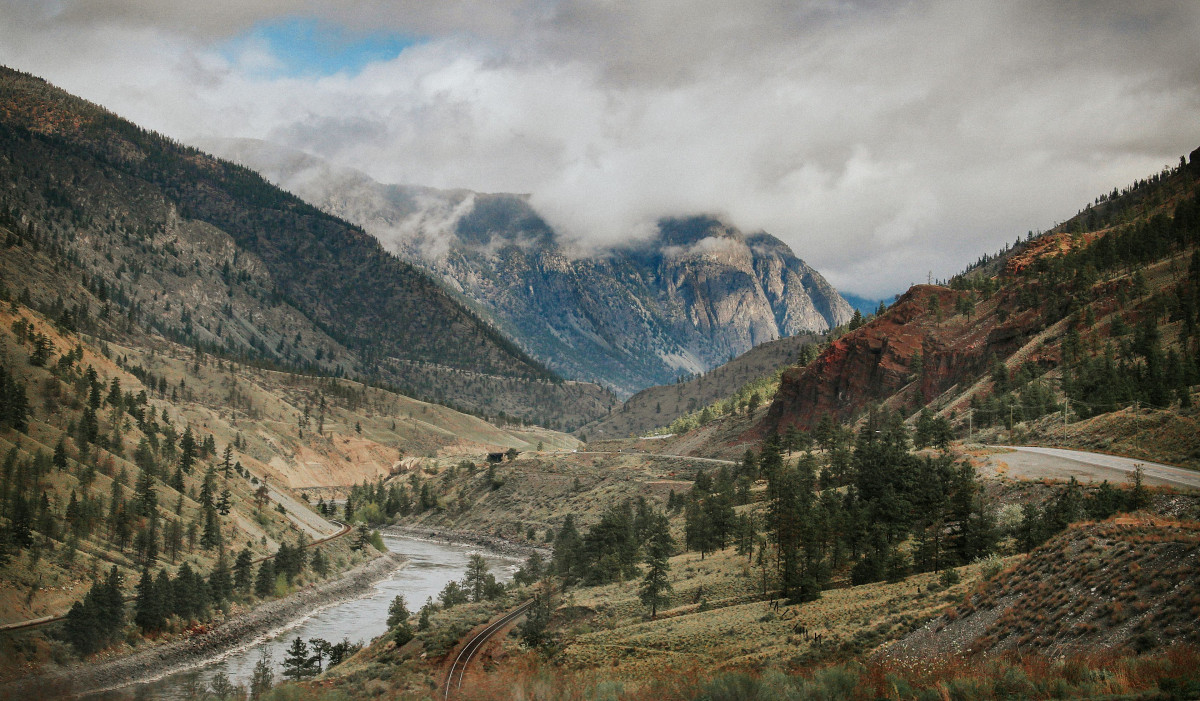
Hope sits in one of Canada's most famous historic gold regions, with the Fraser River running through country that attracted miners from across North America more than 160 years ago.
Better still, the British Columbia Government has established designated recreational hand-panning reserves at both Hope and nearby Yale.
This guide is written for beginners. Rather than promising a secret spot full of nuggets, we'll explain where gold has historically occurred, where recreational panning is recognised, what to look for and how to plan a sensible first trip.
Where Can You Find Gold Near Hope, BC?
If you're based in Hope, the most useful place to begin is the Fraser River itself.
There are two officially designated recreational gold panning areas worth investigating:
| Gold Panning Area | Location | Why Start Here? |
|---|---|---|
| Hope Recreational Panning Reserve | Fraser River, Hope | Official recreational hand-panning reserve close to town |
| Yale Town Recreational Panning Reserve | Fraser River, Yale | Official reserve within historic Fraser Canyon gold country |
Both locations appear on the British Columbia Government's official recreational hand-panning reserve list.
You can find their reserve maps, site details and GPS files here:
BC Government – Recreational Hand Panning Reserves
These are designated panning areas, not guarantees of finding gold. Always check the mapped boundaries, current access conditions and equipment restrictions before travelling.
Hope – Gold Panning on the Fraser River
Hope is one of the most straightforward places for beginners to start researching gold panning in southwestern British Columbia.
The town sits near the confluence of the Fraser and Coquihalla rivers, surrounded by steep mountains and historic gold-bearing country.
The British Columbia Government lists the Hope Recreational Panning Reserve as Site 329447.
Local tourism information describes the recreational panning area as a section of the Fraser River shoreline between the Fraser River bridge and the confluence of the Fraser and Coquihalla rivers.
However, the official provincial reserve map should always be used to confirm the boundaries rather than relying on a general description.
View the official Hope Recreational Panning Reserve map
What Should Beginners Look For?
The Fraser River has carried gold-bearing material through this region for thousands of years.
Gold is much heavier than ordinary sand and gravel. When moving water loses energy, heavier particles can settle in favourable locations.
Within an area where panning is permitted, features worth observing include:
-
Natural concentrations of dark, heavy sand
-
Gravel deposits where water has slowed
-
Material around exposed bedrock
-
Natural depressions where heavier particles may collect
-
Changes in the size and character of river gravel
Not every gravel bar contains gold, and even historically productive ground can produce disappointing samples.
Start small and treat each pan as a test.
Important: British Columbia's recreational panning guidance includes environmental restrictions. Do not disturb stream banks, fish habitat or spawning gravels, and follow the province's best-practice instructions when selecting and working a location.
Yale – Another Historic Gold Panning Area
Travel north from Hope along the Fraser Canyon and you'll reach Yale, one of the most important settlements associated with British Columbia's early gold rush.
Yale became a major gateway for miners travelling into the interior during the Fraser River Gold Rush.
In 1858, thousands of gold seekers arrived in the region, many travelling north from California.
Yale developed into an important transport and supply centre for prospectors heading farther into the Fraser Canyon and, later, towards the Cariboo goldfields.
Today, the British Columbia Government lists the Yale Town Recreational Panning Reserve as Site 332310.
That makes Yale another sensible place for beginners to research.
Rather than assuming that any convenient stretch of shoreline is available, use the provincial map to identify the designated panning area.
View the official BC recreational panning reserve information
Why Is Yale Worth Investigating?
Yale offers two things that make it interesting to modern prospectors.
First, it has genuine gold-mining history connected to the Fraser River.
Second, there is an officially recognised recreational hand-panning reserve.
That combination provides a better starting point than simply driving along the Fraser Canyon and choosing a random place to dig.
The important distinction is that historic gold country and legally accessible panning ground are not always the same thing.
Why Was the Fraser River Famous for Gold?
The Fraser River Gold Rush of 1858 was one of the defining events in British Columbia's history.
Gold had been known in the region before the main rush, including by Indigenous peoples who had long-established connections with the Fraser Canyon.
As news of gold discoveries spread, thousands of prospectors travelled north, many from the California goldfields.
The influx of miners transformed settlements such as Hope and Yale and contributed to the establishment of the mainland Colony of British Columbia in 1858.
The gold rush also brought conflict and major disruption to First Nations communities whose territories were already occupied and used long before the miners arrived.
For today's recreational prospector, the gold rush is evidence that the Fraser River system contains genuine placer gold deposits.
But historic production does not mean every section of the river is productive today.
Gold distribution changes with the local geology, river conditions and the movement of sediment over time.
What Does a Good Gold Panning Spot Look Like?
Once you've confirmed that you're within a permitted panning area, the next step is learning to read the ground.
Gold is dense, so it tends to collect where moving water can no longer carry heavier particles.
Some natural features that prospectors investigate include:
-
Inside river bends: Slower-moving water can allow heavier material to settle.
-
Behind large rocks: Obstacles can create quieter areas where heavy particles accumulate.
-
Bedrock cracks: Natural crevices can trap small particles of gold.
-
Gravel near bedrock: Heavy minerals can become concentrated toward the base of a deposit.
-
Black sand: Concentrations of heavy minerals can be worth investigating, although black sand doesn't guarantee gold.
These are general prospecting principles, not permission to excavate any particular feature.
On the Fraser River, it's especially important to avoid disturbing fish habitat and to follow the BC Government's restrictions on streambed gravel and riverbank disturbance.
Start by Testing, Not Digging
One of the easiest mistakes for a beginner is spending too much time processing gravel from one location before checking whether it contains gold.
A better approach is to test carefully.
-
Choose a suitable location within the designated reserve.
-
Check that sampling the material is allowed under the current environmental guidance.
-
Take a small sample using permitted equipment.
-
Pan the material carefully.
-
Look for tiny specks of gold among the heavier concentrate.
-
Compare your results with other suitable spots within the permitted area.
If one test produces nothing, that doesn't necessarily mean the entire area is barren.
You're trying to learn how the river has sorted the material.
A few tiny specks in the bottom of a pan can tell you more than an hour of random digging.
Can You Use Gold Prospecting Equipment in British Columbia?
Before heading out, it's important to understand that British Columbia has specific rules for recreational gold panning.
Under the BC Government's recreational hand-panning guidance, the permitted equipment is limited to:
-
A hand pan
-
A hand shovel
Recreational hand panning does not include metal detectors, sluice boxes, shaker boxes, suction dredges or other processing devices.
You do not need a Free Miner Certificate simply to hand pan recreationally under the applicable rules, but that does not mean every creek or riverbank is open.
Hand panning on an existing mineral or placer claim requires permission from the recorded title holder. Private property also requires the owner's permission.
Additional restrictions apply to protected areas, Indigenous lands and other land tenures.
Always use the latest provincial government information before visiting.
Read BC's official recreational hand-panning rules
Making Gold Panning Easier With The Panners Mate
Gold prospecting is all about finding the right material and separating the gold from the dirt, gravel and clay around it.
Traditional gold panning is a proven method, but processing larger amounts of material can be slow and tiring, especially when dealing with sticky clay or working in remote locations.
That's where The Panners Mate comes in.
Designed as a practical extension of traditional gold panning, The Panners Mate helps prospectors process material more efficiently while keeping the same basic principles of gravity separation.
Rather than relying on a continuous flow of water like a sluice box, The Panners Mate uses a simple manual process. Material is sieved and rotated to help break down clay, separate lighter material and concentrate the heavier particles, including gold.
The result is a much smaller amount of concentrate ready for final recovery using a traditional gold pan.
Why Prospectors Love The Panners Mate
-
Works alongside traditional gold panning: Think of it as an extra step that helps prepare and concentrate material before the final pan.
-
Processes more material with less effort: Spend less time working through large quantities of dirt and gravel.
-
Uses minimal water: No need for a continuous water supply, making it particularly useful in dry or remote areas.
-
Portable flat-pack design: Easy to transport into locations where carrying bulky equipment isn't practical.
-
Helps break down clay: The rotating action helps release fine gold particles that can become trapped in clay.
-
Proven gold recovery: In our product testing, The Panners Mate achieved approximately 93–95% extraction under the tested conditions.
Whether you're an experienced prospector or just looking for a more efficient way to prepare material for panning, The Panners Mate is designed to make the job easier without taking away the hands-on experience of finding gold.
A note for British Columbia prospectors: The Panners Mate is manually operated and designed to complement traditional hand panning, rather than function as a conventional sluice. However, BC's recreational hand-panning rules currently specify a hand pan and hand shovel as permitted tools. As the rules don't specifically classify The Panners Mate, prospectors should confirm whether its use is authorised for their intended location and activity before operating it.
Learn more about The Panners Mate
How to Research Gold Prospecting Locations Around Hope
One of the best things a beginner can do is learn to use official government maps.
British Columbia provides recreational panning reserve maps and Mineral Titles Online, a mapping system for researching mineral and placer tenures.
Here's a simple starting method:
-
Open the BC Government's recreational hand-panning page.
-
Find Hope and Yale Town in the reserve list.
-
Open the official location maps.
-
Check the exact boundaries of the areas where recreational panning is designated.
-
Use Mineral Titles Online to investigate mineral and placer claims if researching other locations.
-
Check land access, environmental restrictions and any required permissions.
-
Confirm road and river conditions before travelling.
The government's reserve overview map is useful for finding general locations, but it is not an exact guide to parking or individual panning spots.
Always check the relevant detailed information before making your trip.
Before You Go Gold Panning Near Hope
The Fraser River is a large and powerful river, and conditions can change significantly throughout the year.
Before heading out:
-
Check the official panning reserve boundaries.
-
Confirm that your equipment is permitted.
-
Check current river levels and weather conditions.
-
Avoid high water, including the spring and early summer freshet.
-
Check DriveBC for road conditions and closures.
-
Check BC Wildfire Service information during wildfire season.
-
Avoid disturbing fish habitat, vegetation and stream banks.
-
Fill any permitted excavation holes as required.
-
Take all rubbish home and clean your equipment between waterways.
A historic gold location is never worth taking unnecessary risks.
Frequently Asked Questions
Is there really gold in the Fraser River near Hope?
Yes. The Fraser River has a well-documented history of placer gold discoveries, including the gold rush of 1858. The British Columbia Government also maintains an official recreational hand-panning reserve at Hope.
That doesn't guarantee you'll find gold on a particular visit, but it confirms that you're exploring genuine historic gold country.
Where can beginners pan for gold in Hope, BC?
The Hope Recreational Panning Reserve on the Fraser River is a logical starting point. Check the official BC Government map for Site 329447 before visiting.
Can you pan for gold at Yale, BC?
Yes, within the officially designated Yale Town Recreational Panning Reserve, subject to the applicable rules. The BC Government lists it as Site 332310.
Do you need a permit to pan for gold in British Columbia?
A Free Miner Certificate is not required for ordinary recreational hand panning under BC's rules. However, permission may be needed depending on the land or mineral tenure, and equipment restrictions still apply.
Can you use a sluice box when recreationally panning in BC?
No. The BC Government's recreational hand-panning rules limit equipment to a hand pan and hand shovel. Other processing equipment is outside that allowance.
Can you find gold in the Fraser River without a metal detector?
Yes. Traditional hand panning can be used to separate gold from suitable sand and gravel. Metal detectors are not permitted under BC's ordinary recreational hand-panning rules.
Is Hope a good place for a first gold panning trip?
Hope is a sensible place to start researching because it has a designated recreational panning reserve, a well-documented gold rush history and official government maps that help beginners identify the permitted area.
Final Word
You don't need to head deep into Canada's wilderness to begin learning about gold prospecting.
If you're in Hope or the surrounding Fraser Valley, the Fraser River and the historic gold country around Yale provide genuine places to start your research.
Both Hope and Yale have officially designated recreational hand-panning reserves, giving beginners a clearer starting point than an unverified location found online.
Don't chase rumours or expect a big nugget on your first trip.
Start with the official maps, confirm the rules, choose a suitable location and learn to test small samples.
Finding a few tiny specks of gold in your first pan can be a great introduction to a pastime that has attracted prospectors to the Fraser River for generations.
That's prospecting.
Useful Resources
-
BC Government – Recreational Hand Panning – reserve maps, equipment rules and environmental guidance.
-
BC Mineral Titles Online – mineral and placer title mapping.
-
Tourism Hope, Cascades & Canyons – Gold Panning – local visitor information.
-
BC Government – Placer Permit Applications – guidance for operations beyond ordinary recreational hand panning.
-
DriveBC – road and travel conditions.
Important: This article is general information, not legal advice. Panning access, equipment permissions, environmental restrictions and closures can change. Check the current British Columbia Government guidance, official reserve maps and relevant land management authorities before prospecting.
Last researched: October 2026.